Buying a Cabin or Recreational Property in BC: What to Check
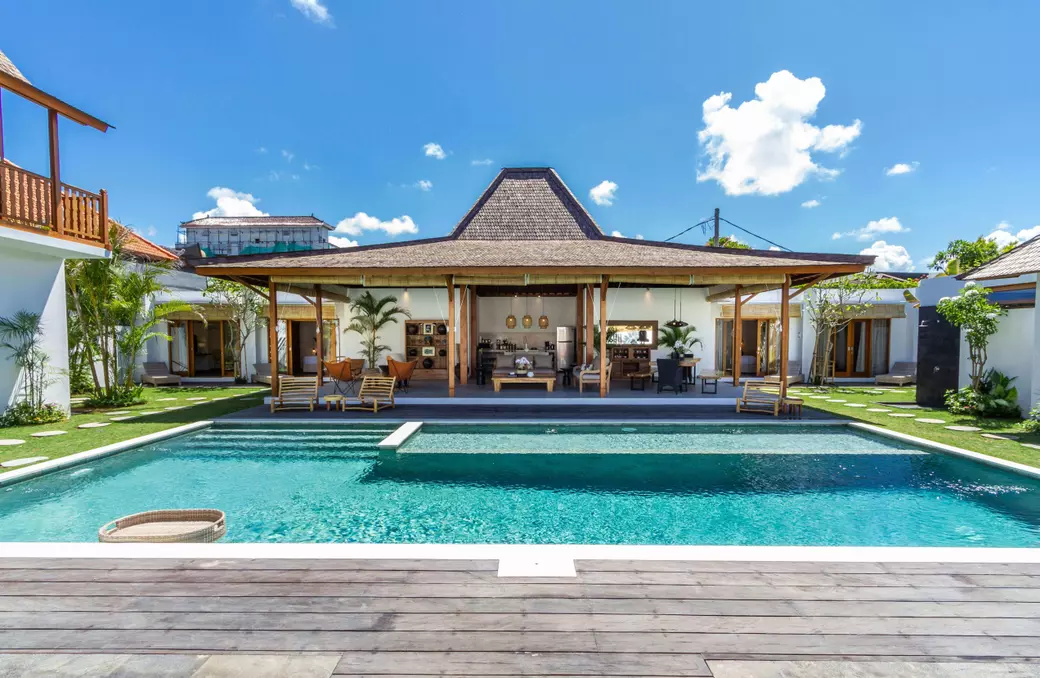
A cabin at a lake or in the mountains is a different purchase from a city home: the road may be private, the water may come from a well or the lake, and land use rules often come from a regional district. If you live in the Lower Mainland and are looking elsewhere in BC, here is what to check, from access and water to docks, insurance, financing and taxes.
The short version
Check who maintains the road and whether it's passable in winter. A well used only for household needs doesn't need a licence, while lake or creek water is more secure with a water licence, which transfers with the land. Ask the regional district about zoning, setbacks from the water, floodplain rules and fire protection. Most foreshore is Crown land, so a dock needs provincial authorization. Insurers look at how often you'll be there and how far you are from fire services. Property transfer tax applies when you register the purchase, the speculation and vacancy tax only in designated areas, and only one home per family unit can be your principal residence each year.
Getting there: roads and winter access
- Public roads. Regional districts have no role in roads. In rural electoral areas, public roads are the province's responsibility, and the Ministry of Transportation and Transit uses contractors for maintenance and snow removal.
- Forest service roads. These are managed by the Ministry of Forests. The province says resource roads aren't built or maintained to the same standards as public highways, many aren't maintained for vehicles, and a forest service road can be closed for safety or environmental reasons.
- Private roads and easements. If the driveway crosses a neighbour's land, check that title shows a registered easement, and ask how owners share upkeep and snow clearing; see Reading a Title Search in BC.
- Water access. For a boat-access cabin, ask where you'll park and land.
Water, septic, power and internet
- Wells. Groundwater used only for domestic purposes doesn't need a licence. Ask for the well record, which may also be in the province's GWELLS database, plus water quality and flow test results. The province notes your lender may ask for these too.
- Lake or creek water. A water licence gives a household a degree of security of access. Without one, you may be able to use unrecorded water for household needs, but with no security of access. A licence transfers to the new owner, who must notify FrontCounter BC and takes on any unpaid rentals or fees, so ask for a recent invoice.
- Septic. Ask for the system's records and have it inspected; Buying an Acreage in the Fraser Valley covers wells and septic in more detail.
- Power and internet. Confirm whether the cabin is on the grid, how it is heated and what internet reaches it, if you plan to work there.
Zoning, setbacks and the waterfront
Outside cities, towns, districts and villages, regional districts can regulate land use in their electoral areas. Ask the local government what the zoning allows, which past work had permits, and what applies near the water:
- Riparian areas. The Riparian Areas Protection Regulation applies in the Islands Trust area and 15 regional districts, including the Fraser Valley, Sunshine Coast, Columbia Shuswap, Thompson-Nicola and the Okanagan, where development within 30 metres of a stream or lake with fish habitat generally needs a qualified environmental professional's assessment first.
- Floodplains. Local governments are responsible for understanding flood risk in their areas and can adopt floodplain bylaws, which can set flood construction levels and setbacks. Ask before you plan to renovate or rebuild.
- Docks. The province owns nearly all freshwater and saltwater foreshore, from the high water mark out. A dock on it needs provincial authorization: a General Permission if it meets the conditions, otherwise a Specific Permission or a lease. General Permissions aren't granted in Application-Only Areas, and only one dock per property is allowed.
If an existing dock holds a tenure, it has to be assigned to you; BC Assessment notes that the Land Title and Survey Authority doesn't update foreshore tenure records when a property sells.
Leased land and Crown tenures
Some cabins sit on land held under a lease rather than owned outright. For recreational residential tenures on Crown land, the province says the tenure is for you and your family, the land may only be used seasonally, short-term rentals aren't permitted, and it can't be transferred without the province's permission. For prepaid leases, see Leasehold Homes in BC.
Wildfire, fire protection and insurance
For wildfire risk and FireSmart steps, see Wildfire Risk and Your Home in BC. Then check fire protection. Inside a fire protection area, a designated fire department serves the property; outside one, as the Regional District of Nanaimo puts it, a property may not receive formal fire protection, which can affect insurance rates and response times. The Nanaimo and Cariboo regional districts have maps to check an address.
The Insurance Bureau of Canada (IBC) points out:
- How you'll use it. You may add the cabin to your home policy or insure it separately. Tell the insurer how often you'll be there and whether you'll rent it out.
- Time away. Coverage may be more limited when a property is unoccupied for long periods, and insurers often expect you to inspect, maintain and winterize it. Frozen pipes, poor maintenance, pests, theft and vandalism may not be covered.
- Location and heating. Distance from emergency services and the heating system affect premiums, and a wood-burning appliance can affect whether coverage is available; the insurer may ask for an inspection.
- Extras. Docks, boats and short-term rental use may need added coverage.
Financing a second home
FCAC notes that with less than 20% down you'll typically need mortgage loan insurance. Insurers look at the property as well as at you:
- Second-home programs. Some mortgage insurers allow as little as 5% down on a one-unit second home used by you or your immediate family, if you meet their credit rules. Ask your mortgage professional what's available.
- Year-round use. CMHC and insurers' second-home programs generally require a home suitable for year-round living with year-round access, so a seasonal or boat-access cabin may need more down or not qualify.
- Rentals. CMHC doesn't insure a single-unit home that isn't owner-occupied, so a cabin bought mainly to rent out generally needs at least 20% down; see Financing a Rental Property in BC.
With 20% or more down, the lender's own policy decides, so ask early how it treats seasonal access, a cabin that isn't winterized, a well, or a lease.
Taxes when you own two homes
- Property transfer tax. It applies when you register the purchase at the Land Title Office: 1% of the first $200,000, 2% up to $2,000,000, 3% above that, and a further 2% on residential value over $3,000,000. On a $600,000 cabin, for example, that's $10,000. The first-time home buyers' exemption requires the home to be your principal residence, so it doesn't cover a second home.
- Annual property tax. If the cabin isn't in a city, town, district or village, it is in a rural area, and you pay property tax to the province, which sends notices each June.
- Speculation and vacancy tax. It applies only in designated areas, listed by municipality, such as Squamish, Parksville, Qualicum Beach, Penticton and Salmon Arm, and not in rural areas outside them or on islands reached only by air or water, other than Vancouver Island; see BC's Speculation and Vacancy Tax.
- Capital gains. CRA accepts that a cottage can be a principal residence, and living there for a short time each year can be enough, though generally not if you own it mainly to earn income. Only one property per family unit can be designated for each year; see Capital Gains and Your Home.
- Short-term rentals. Hosts must register with the province, and many BC communities limit short-term rentals to principal residences, so check before you count on rental income.
Working with someone who knows the area
I can help you plan from the Lower Mainland and connect you with a licensed agent in the area you're considering. Give your subjects time for water tests, a septic inspection, an insurance quote, financing and a review of title and any lease.
Questions buyers often ask me
Can I buy a cabin with 5% down?
Possibly, on the first $500,000 of the price, if it's for your own or your immediate family's use and meets the mortgage insurer's property and credit rules. A cabin you plan to rent out generally needs at least 20% down.
Do I need a licence to use lake water at a cabin?
Not always, but a licence gives you a degree of security of access, and an existing one transfers to you when you buy; you must notify FrontCounter BC. Without one, you may use unrecorded water for household needs, with no security of access.
Does the speculation and vacancy tax apply to cabins?
Only if the cabin is in a designated taxable area. Owners there declare every year by March 31, and a cabin that isn't your principal residence may be taxed unless an exemption applies, so check the province's map first.
Can my cabin be my principal residence for tax purposes?
It can, if you ordinarily inhabit it, even for part of the year. Only one property per family unit can be designated for each year, so an accountant can help you decide which home to designate when you sell.
Do I need permission to build or keep a dock?
Usually, yes. Most foreshore is Crown land, so a dock needs provincial authorization through a General Permission, a Specific Permission or a lease, and it must comply with local bylaws and zoning to be eligible.
Planning your offer? See how subject clauses protect you, read the short-term rental rules before you plan to rent, and learn what home inspectors check.
Looking at a cabin or lake property?
I would be glad to help you plan the purchase and connect you with a licensed agent who knows the area. Call or text 778-834-1706, email silvana@silvanaazurdia.ca or send me a message. Happy to help in English or Spanish.
This article is general information, not legal, tax or financial advice. The details come from the Province of BC, FrontCounter BC, BC Assessment, regional districts, CMHC, FCAC, CRA, IBC and mortgage insurers' program pages, and were current at the time of writing; rules vary by area, so confirm them with the regional district and your own advisors. For the province's rules on docks, see private moorage on Crown land.
Recent Posts